Home
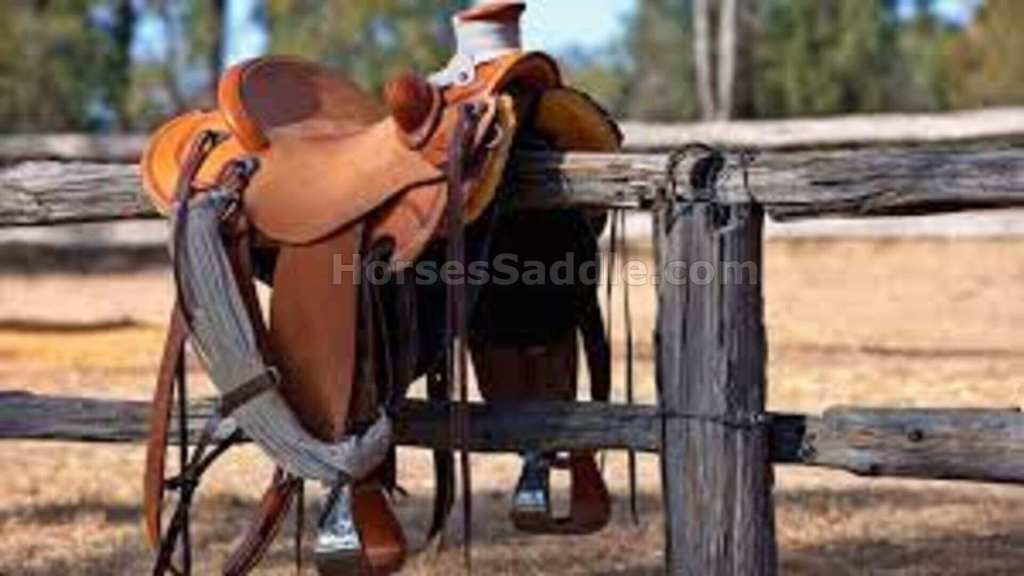
If you’re looking to get a horse, or if you have one and want to learn how to ride it better, then this guide is for you! In this article we’ll talk about some of the most important things when choosing a horse saddle. We’ll also cover fitting your new horse and making sure it’s comfortable enough for long rides.
Know your intended uses
You should first know what you will use the saddle for. If you are a beginner, get a saddle that is appropriate for your level of experience. It doesn’t make sense to buy a more advanced model if you’re just starting out in riding horses and need something simple and comfortable at first. On the other hand, if you are an experienced rider looking for something more advanced or fancy than your current model might be able to handle, then consider getting one of those instead!
The next thing you should consider is the type of horse you will be riding. If you’re a beginner, get a saddle that is appropriate for the kind of horse(s) you will be riding most often. For example, if you are just starting out and plan on taking lessons at your local stable with a pony, then get one that’s made for ponies (such as this one). If your horse has longer legs or is more prone to bucking than other horses his size, then consider getting one designed for him.
For example, if your horse has longer legs and is prone to bucking, then consider getting one that has a wider tree.
The right saddle fit
The right saddle fit is the most important aspect of choosing a saddle. It’s crucial that you get one that’s large enough for your horse and small enough for you, as well as one that fits properly on your intended use.
When it comes to choosing the right size saddle for your horse, there are several things to keep in mind:
- Make sure it doesn’t rub or chafe any part of his back or legs. If there are places where he can rub himself raw with this kind of pressure (like between his shoulder blades), then it may be time for a new one.
- Consider whether or not he has hard spots under his tailbone area; if so, then maybe try getting something without padding over them instead!
If you’re riding a larger horse and are having trouble with your saddle shifting around, try getting one with stirrups that have a wider spread. If you’re on a smaller horse, then maybe try getting something that has more padding or is cut lower in the front to accommodate his thinner body frame.
Choosing the right tree width
Choosing the right tree width is important to help you get the most out of your saddle. Tree width is measured in inches and determines how far apart your horse’s front feet are from his back ones. It’s also one of the first things that you should look at when buying a new saddle, so it pays to know what measurements count as wide or narrow.
The widest tree will be around 1 inch wider than its neighbor; this means that if two saddles were both 2 inches wide, one would fit over the other comfortably—and vice versa with narrower trees (see below).
The widest tree will be around 1 inch wider than its neighbor; this means that if two saddles were both 2 inches wide, one would fit over the other comfortably—and vice versa with narrower trees (see below).
Tree fit
Tree fit is important. The tree should be measured from the withers to the point of the saddle.
Measure saddle width at its widest part, which is usually in front of your stirrup leathers and over your girth (the strap that goes around your horse’s belly).
On most saddles, you’ll find a measurement for “tree” size—that’s how much room there is between where you sit on your horse and where he sits on his saddle. If it seems too small or snug for comfort, try getting another style that offers more room for movement between rider and horse; this could mean moving up or down in seat height (or buying two different saddles).
The tree size is very important. The tree should be measured from the withers to the point of the saddle.
Know your seat
When you’re buying a saddle, the first thing to consider is the seat. A horse’s back is shaped like an “S” that has a slight arch in it. The point of greatest pressure is located at the top of their shoulder blades and can be felt by placing your hand on their back just behind those points. The bottom half of this “S” shape is known as their withers and runs down toward their rump; it’s where most people feel pressure when they sit on a horse or pony (though some feel more than others).
There are several different types of seats on offer: flat-backed or concave; English style/American style; round/oval/rectangle (sometimes called Dutch); wide enough for two riders with saddles too small for one person only).
There are also different types of material available for saddles, including leather, nylon or a combination of both. A good saddle should be made from quality materials, but it should also fit your horse well. If you’re buying online then you’ll need to take measurements and make sure they match the ones on the website in order to ensure a perfect match.
A matter of comfort
You want to be comfortable. The saddle should be comfortable for you to sit in, and it should also be easy for your horse to carry.
So how do you know if a saddle is going to fit your needs? First off, look at the height of the tree and check out any stirrups on offer (if they’re adjustable). Then talk with someone who has ridden in that type of saddle before so they can give you tips on what works best for them as well as their horse!
Once you’ve found a saddle that fits both your needs and your horse, it’s time to take it for a test drive. It’s possible that after using the saddle for a while you might want to make some adjustments. You can do this by adding padding or changing the position of the stirrups (if they are adjustable).
Choose the right saddle for a comfortable fit and the most appropriate riding use.
Choosing the right saddle for your horse is important. It’s not just about comfort and fit, but also about the right riding use. A well-fitting saddle can help prevent injury and make you a better rider.
Get started by considering what kind of riding you do: dressage, cross-country or show jumping? If you have a flat-back horse that never needs to go down in its stride (a common thought with many beginner riders), then try using an off-the-shelf dressage saddle on him until he gets used to it before trying something more specialized like a jumping/cross country style saddles or even something as complex as an arena or cross country “type” designed specifically for this purpose!
Next up: how often do I ride my horse? What kind(s) of terrain do I typically ride over? How much speed do I want him moving at while galloping through fields full of obstacles? Will there be time spent working through some mud puddles along side paths where horses tend not go bareback but rather either wear anything called “spikes” which are actually spikes with rubber tips attached backwards so they don’t hurt themselves when stepping on them during long hikes through mud puddles
or do I want my horse to be comfortable enough with me that he won’t mind wearing a saddle while walking through the mud puddles? How much time will I spend showing my horse in competition and how many times per year do we compete? What kind(s) of competitions do we participate in, such as dressage or show jumping?
Conclusion
Choosing your first western saddle can be a daunting task, but if you take the time to learn about materials and fabrics, you’ll find that there’s a lot of variety out there. Get started by checking out our guide on how to choose the right saddle for your needs!
 Horse Saddle Western